Career
PT Hours: The Reality Check Every New Trainer Needs
People go into personal training thinking it is a nine-to-five. It is not. Here is what a realistic week actually looks like.
21 Jun 2026
Share
Marcin's rule: the first fortnight is talking, movement assessment, and low intensity. The PT who goes hard from day one is usually performing for their own confidence, not coaching for the client's benefit.
25 Jun 2027
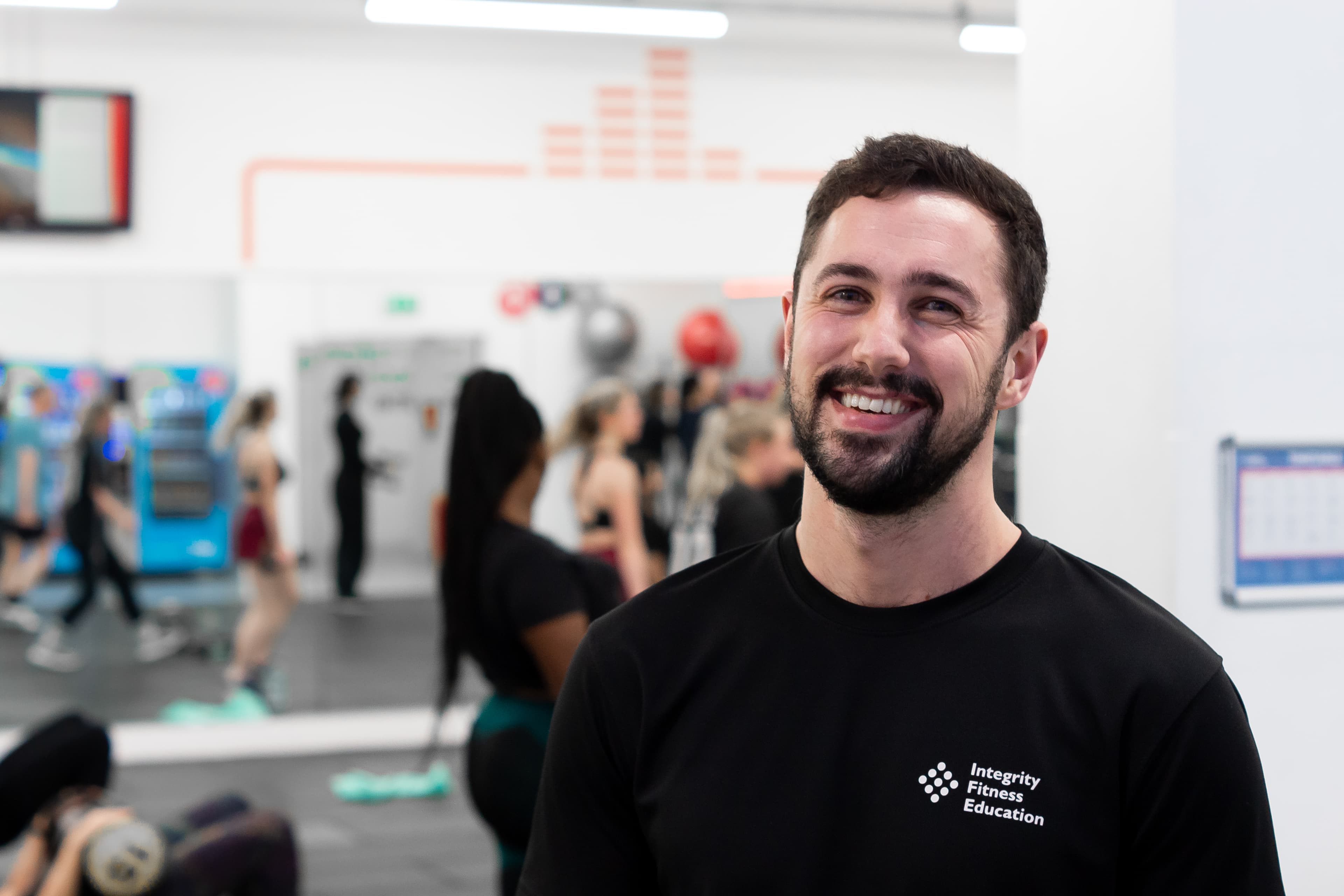
Harry
Founder & Head Coach
Marcin from Perun Strength has a structure for the first phase of any new client relationship, and it is worth describing precisely because it runs counter to what a lot of new PTs feel they should be doing. The first two weeks are intentionally unhurried. A lot of talking. Movement assessment at low intensity. Building trust and gathering information before anything demanding is attempted.
Before you know how someone moves, you do not know what you are programming for. A client who has chronic tension in their thoracic spine will not get the same thing from a back squat as one who moves freely. A client who has never trained before needs to build an understanding of basic movement patterns before any meaningful loading is appropriate. These are things you can only discover by watching someone move, asking questions, and creating an environment where they feel safe enough to tell you the truth about their history and limitations.
A PT who begins at high intensity on day one will discover these things too - but reactively, when something goes wrong, rather than proactively, when nothing has been compromised yet. Marcin describes the opening weeks as the foundation on which everything harder is then built safely and appropriately.
The pressure to demonstrate value from the first session is real. A new PT wants a client to feel they got something for their money. High intensity is the most legible form of effort - measurable in muscle soreness the next day. The quieter work of movement assessment and relationship-building is harder to invoice. But the client who sees that their PT has genuinely invested in understanding how they move, what their history is, and what they actually need - that client has received something more valuable than a session that left them unable to walk downstairs. They have seen evidence that they are being coached, not just exercised.
By the time the training becomes genuinely demanding - which it will, because progression is the point - the client and PT have enough shared context to navigate it well. The PT knows what to watch for. The client trusts they are not going to be pushed into something they are not ready for. That trust is not just nice to have - it is the mechanism by which harder work is actually possible. Build it first.
Stay in the loop
Career advice, coaching insights, and industry perspectives — straight from Harry. No spam, unsubscribe any time.
By subscribing you agree to receive occasional emails from Integrity Fitness Education. Unsubscribe at any time.
Keep Reading
Career
People go into personal training thinking it is a nine-to-five. It is not. Here is what a realistic week actually looks like.
21 Jun 2026

Training
The grind culture that dominates fitness content is not just annoying — it actively puts people off exercise and leads to injury.
31 Jul 2026

Education
Not all PT qualifications are the same. The course format, the tutor quality, and the awarding body all matter — here is what to look for before you sign up.
25 Sep 2026
Ready To Start?
Whether you're looking to start your journey in personal training or take your existing career to the next level, we have a qualification built around your goals.