Career
Where to Start as a New PT: Why Footfall Beats Everything Else
The most common mistake new PTs make is choosing a quiet gym. Here's why starting somewhere with thousands of members changes everything.
22 Jun 2026
Share
New PTs fear admitting they do not have all the answers. In reality, saying 'I don't know but I'll find out' is one of the most powerful things you can say.
11 Sep 2026
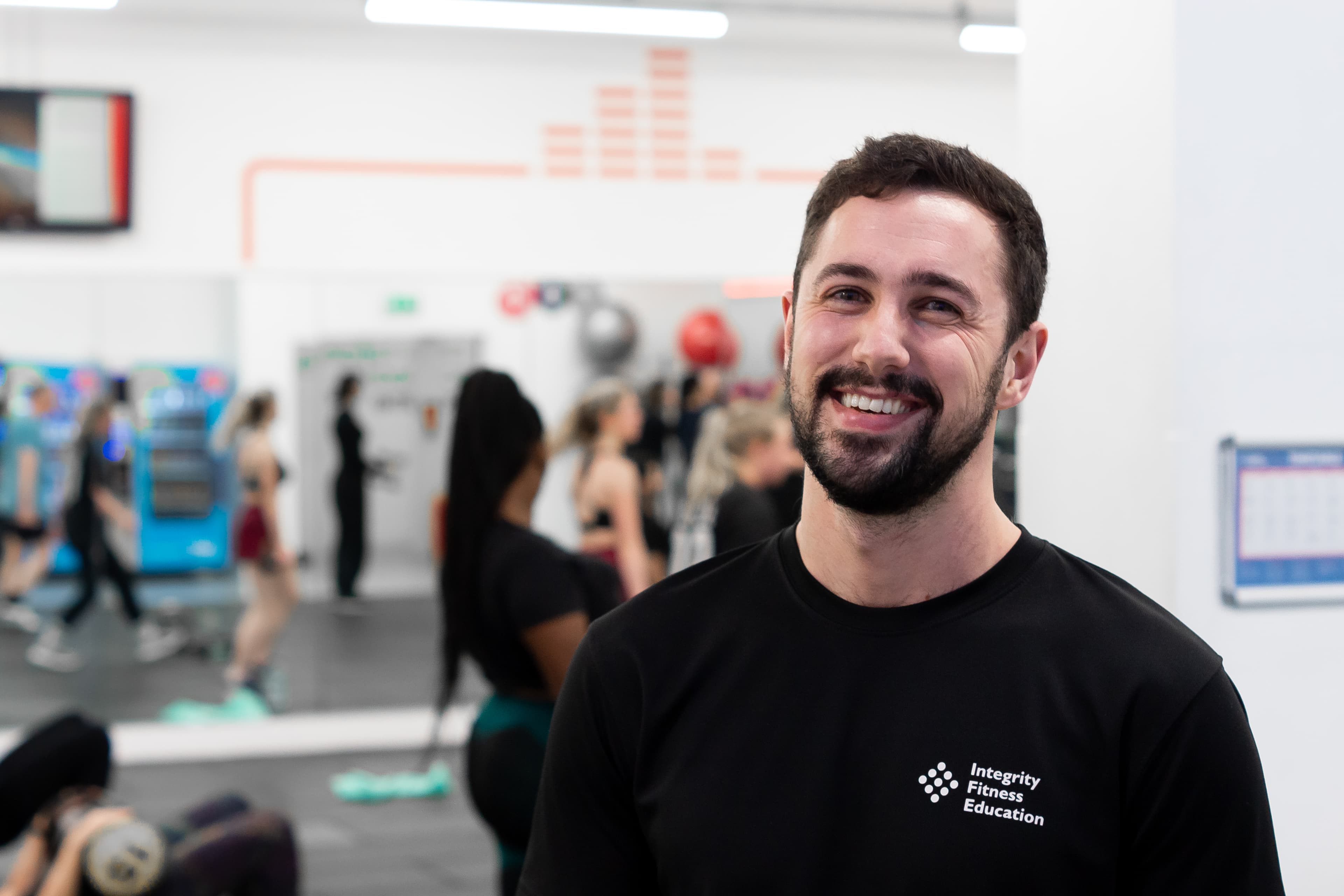
Harry
Founder & Head Coach
Early in your career as a PT, there will be moments when a client asks you something and you do not know the answer. The temptation is to say something - to fill the silence with your best guess, to project confidence you do not quite feel. Resist it. The smartest, most trust-building response you can give is: I am not sure about that, but I will find out before your next session.
You might fool someone once. But clients ask questions, they talk to other people, they read things online. If you gave them an answer that was not right, there is a reasonable chance they will eventually figure that out. And at that point the trust does not just take a hit - it can be gone entirely. Honesty about the limits of your knowledge is far safer than a confident answer you cannot back up.
Charlie was candid about this. When he first started, he said things that were not exactly correct, and he knows it. He is honest about it now. The willingness to acknowledge that he did not always have everything right - and to keep learning - is part of what makes him a better coach. Every PT has been in that position. The ones who grow fastest are the ones who take it seriously rather than trying to paper over it.
There will also be clients who present with something that is genuinely outside your scope. A significant spinal issue. A complex injury. A medical condition that requires a conversation with a physio or a GP before you start loading them. Knowing your limits and being willing to say so - and to refer appropriately - is not a weakness. It is professional.
Clients respect this enormously. The PT who says, honestly, that this is beyond what they are qualified to handle and offers to help connect the client with the right person, builds more trust with that action than almost anything else. People can tell when a professional is being straight with them. They remember it.
Adam Beard made a point that stuck with me: as you work with more clients, you will encounter ailments and injuries and situations you have never seen before. The response is not to pretend you have seen it before. The response is to go home that evening, research it properly, and come back better prepared. Once you have really studied something and seen it in practice, you will recognise it again. That self-directed learning - driven by what your actual clients bring to you - is some of the most valuable education you will ever do. It sticks because it is relevant, and it builds a depth of knowledge that no course alone can give you.
Stay in the loop
Career advice, coaching insights, and industry perspectives — straight from Harry. No spam, unsubscribe any time.
By subscribing you agree to receive occasional emails from Integrity Fitness Education. Unsubscribe at any time.
Keep Reading
Career
The most common mistake new PTs make is choosing a quiet gym. Here's why starting somewhere with thousands of members changes everything.
22 Jun 2026

Education
Not all PT qualifications are the same. The course format, the tutor quality, and the awarding body all matter — here is what to look for before you sign up.
25 Sep 2026

Coaching
The PT who hoards knowledge to keep clients dependent has it backwards. The best coaches make themselves replaceable — and that is exactly why clients stay.
28 Aug 2026
Ready To Start?
Whether you're looking to start your journey in personal training or take your existing career to the next level, we have a qualification built around your goals.