Business
The Appearance Myth: Why Your Six-Pack Won't Build Your Business
The fitness industry tells you that looking the part is the key to getting clients.
17 Jul 2026
Share
Some of the best PTs in the industry did not come through the conventional route. Their stories are worth knowing.
23 Oct 2026
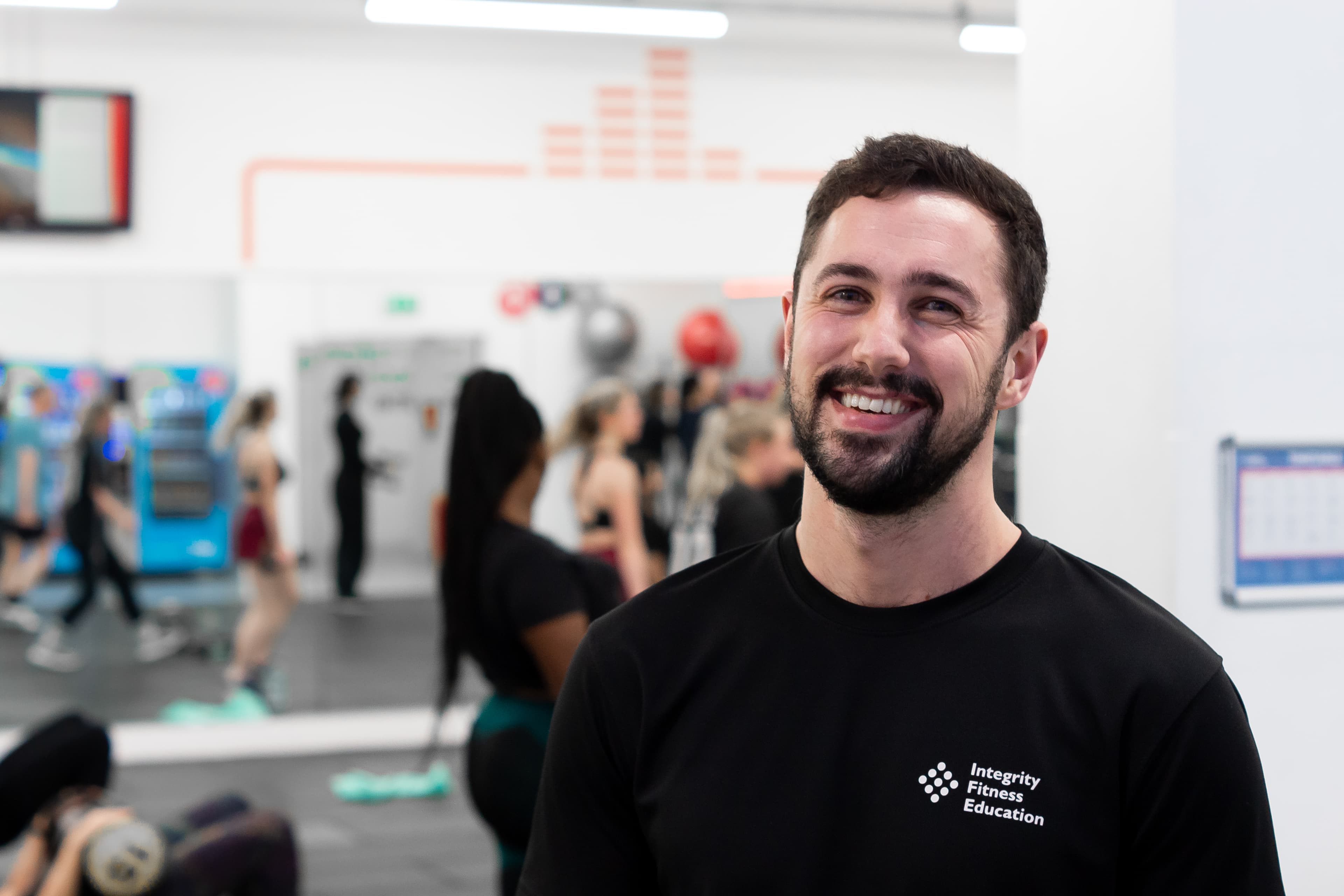
Harry
Founder & Head Coach
The conventional story of how someone becomes a personal trainer goes something like this: they played sport growing up, they got into training, they decided to turn their passion into a career, they qualified. It is a common path, and there is nothing wrong with it. But it is far from the only one - and some of the most effective coaches I know came from completely different places.
Marcin, who built Perun Strength in Norwich, did not fall in love with training. He came to it out of necessity. He was in a difficult period of his life - homeless, dealing with substance use, in genuine physical pain - and he started training to get out of that pain. He found an Olympic weightlifting club in Plymouth. Later, powerlifting and strongman. He ran a wrestling school in Norwich, and when the parents of his wrestlers started asking him for training help, that is when the PT career began.
That origin story gives him something that many PTs do not have: a genuine, lived understanding of what it feels like to start from the very bottom, physically and otherwise. He understands his clients' starting points because he had one of his own.
The coaches who came to PT through a non-standard route often have a particular quality in their work: they are less attached to how things are supposed to look. Marcin does not have a template of what a motivated gym-goer should be, because he did not start out as one. He can work with people who are not starting from a place of enthusiasm or physical confidence, because he understands that place from the inside.
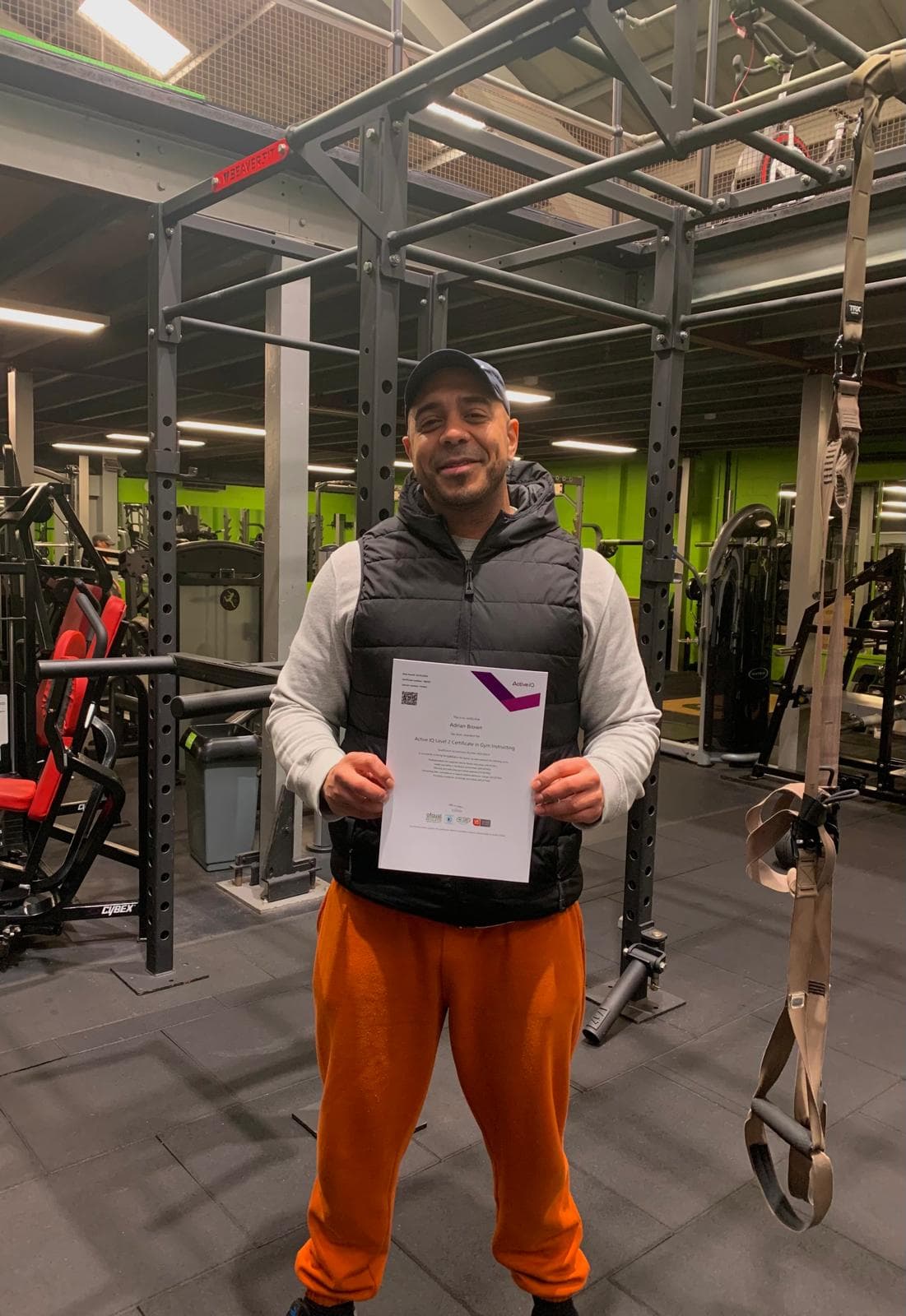
Charlie from Wade Fitness started training people from his grandmother's garden, then moved to a garage, then a local gym. His path was gradual and self-taught in ways that no course fully covers. Adam went from selling sofas to working part-time in a sports nutrition shop to building a PT career. None of these are the textbook route - and all of them produced coaches who are exceptionally good at meeting clients where they actually are.
If you are not the person who has been in the gym since you were 16, who has always been lean and strong and motivated - that is not a disqualification. It might actually be an advantage. The clients who most need a good PT are rarely the ones who look like the people on fitness social media. They are the people who are intimidated, who are starting from scratch, who have tried before and failed for reasons that had nothing to do with effort. If you understand those starting points personally, you will be a better coach for them. The qualification gives you the framework. The life experience gives you the empathy. Both matter.
Stay in the loop
Career advice, coaching insights, and industry perspectives — straight from Harry. No spam, unsubscribe any time.
By subscribing you agree to receive occasional emails from Integrity Fitness Education. Unsubscribe at any time.
Keep Reading
Business
The fitness industry tells you that looking the part is the key to getting clients.
17 Jul 2026

Education
Not all PT qualifications are the same. The course format, the tutor quality, and the awarding body all matter — here is what to look for before you sign up.
25 Sep 2026
Coaching
The PT who hoards knowledge to keep clients dependent has it backwards. The best coaches make themselves replaceable — and that is exactly why clients stay.
28 Aug 2026
Ready To Start?
Whether you're looking to start your journey in personal training or take your existing career to the next level, we have a qualification built around your goals.