
Education
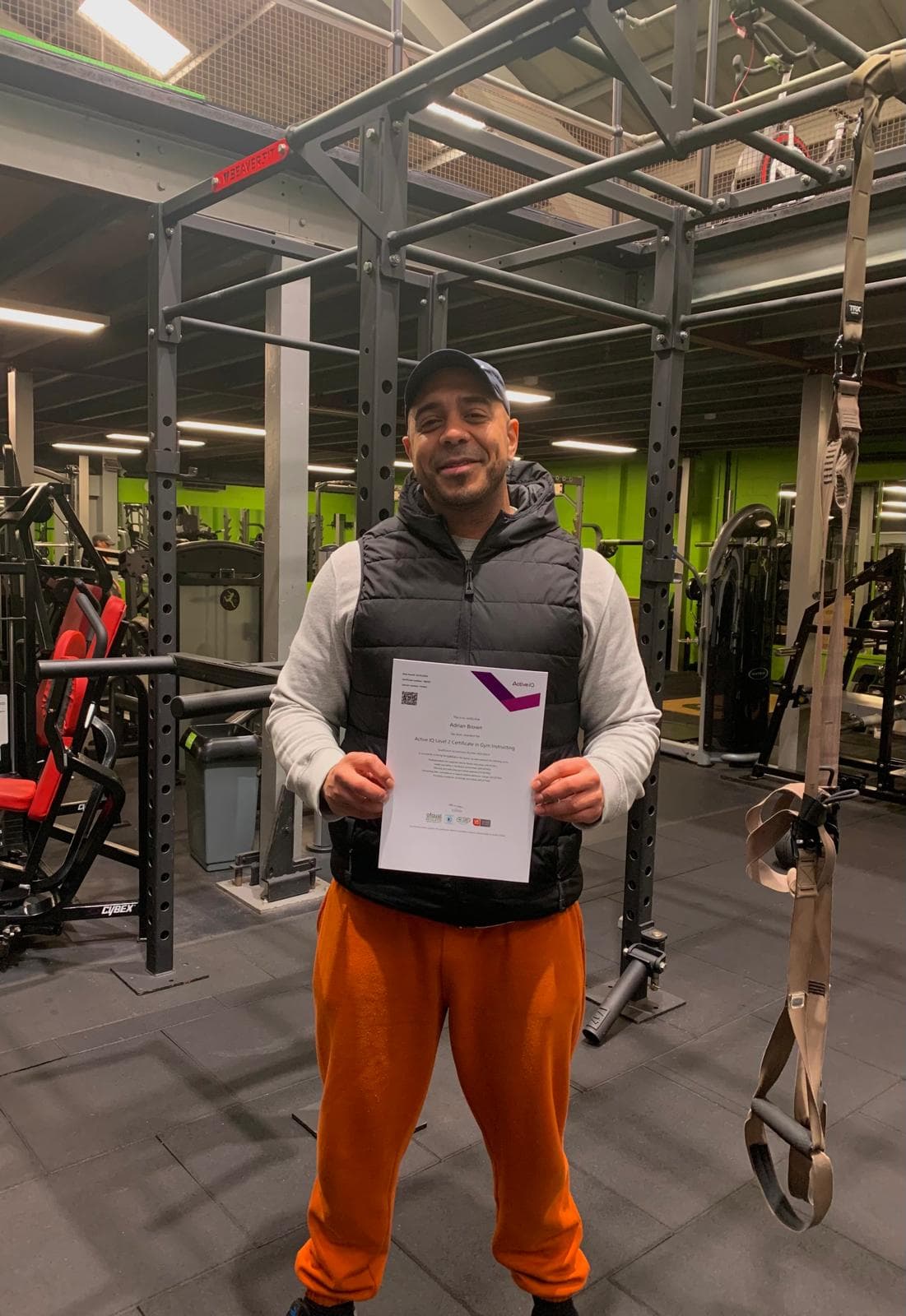
Getting Qualified: What to Look For in a PT Course
Not all PT qualifications are the same. The course format, the tutor quality, and the awarding body all matter — here is what to look for before you sign up.
25 Sep 2026
Share
The client asking about cortisol-blocking supplements before addressing their sleep is asking the wrong question. Marcin's response: blackout blinds, last coffee time, phone off before bed — not a pill.
17 Sep 2027
Harry
Founder & Head Coach
Marcin describes a type of conversation he has regularly: a client presenting with elevated stress, poor recovery, and difficulty losing weight despite effort in the gym, asking about cortisol-blocking supplements. His first question is always the same: what is the sleep situation? The supplement question is usually premature.
Sleep hygiene content does not get likes. Blackout blinds and cutting off caffeine by early afternoon do not trend. Nobody builds an audience by telling people to put their phone down at ten o'clock. But the honest assessment of most people's recovery situation is that these unglamorous interventions would make a more meaningful difference to their cortisol, body composition, and training quality than anything available in supplement form.
Marcin's framing is direct: why are you asking about a pill to counter elevated cortisol before finding out why your sleep is poor in the first place? The cortisol is a symptom. The disrupted sleep is likely the cause. Treating the symptom while leaving the cause alone is an inefficient strategy regardless of how well-marketed the supplement is.
Marcin observes that the pre-workout conversation is often an early indicator of how much a client has absorbed from supplement marketing. A client whose first question is about pre-workout has already decided that the intervention they need is external and purchased rather than behavioural. The practical redirect - if a strong black coffee does not get you up for a workout, you probably do not need to train that day - is both accurate and useful. The active ingredient in most pre-workout products is caffeine. If that is what you need, you already have access to it in a form that does not cost twelve pounds a bag.
Bringing sleep quality into regular check-ins is underused by many PTs. A client sleeping five hours a night and reporting poor recovery, mood fluctuations, and stalled progress is not a client with a training problem. They have a sleep problem expressing itself in their training. The programme you can give them is limited by the recovery environment they are going home to. Addressing that environment honestly - even at the risk of suggesting the less exciting intervention - is the work of a good coach rather than a good salesperson.
Stay in the loop
Career advice, coaching insights, and industry perspectives — straight from Harry. No spam, unsubscribe any time.
By subscribing you agree to receive occasional emails from Integrity Fitness Education. Unsubscribe at any time.
Keep Reading
Education
Not all PT qualifications are the same. The course format, the tutor quality, and the awarding body all matter — here is what to look for before you sign up.
25 Sep 2026
Coaching
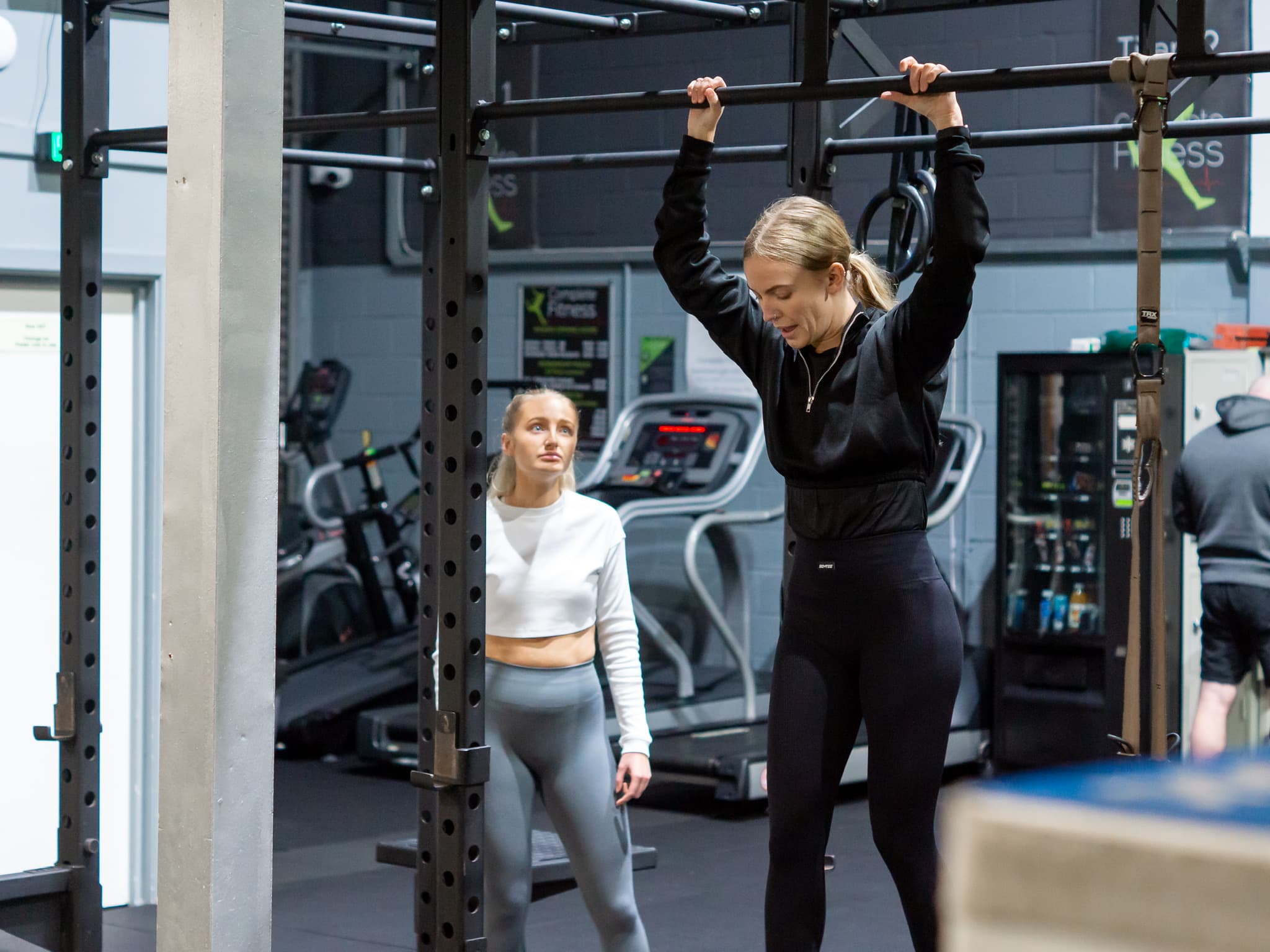
New PTs fear admitting they do not have all the answers. In reality, saying 'I don't know but I'll find out' is one of the most powerful things you can say.
11 Sep 2026
Career
People go into personal training thinking it is a nine-to-five. It is not. Here is what a realistic week actually looks like.
21 Jun 2026
Ready To Start?
Whether you're looking to start your journey in personal training or take your existing career to the next level, we have a qualification built around your goals.